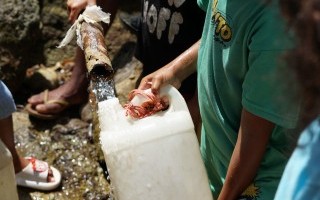
Rainwater is often seen as a clean and natural water source. But in reality, rainwater and stored rainwater can carry pollution and germs that may harm health, especially for children. Without proper treatment, stored rainwater can cause diseases such as dengue fever, diarrhea, and skin infections.
Still, due to the clean water crisis in Indonesia, many families rely on rainwater for their daily needs. For example, in 2020 access to safe drinking water in Indonesia reached 90.2%, but water that is truly safe to drink was only 11.9%. Geography, climate change, and limited infrastructure make the problem worse.
In East Nusa Tenggara (NTT), only 41.4% of people have basic water access, so many families rely on stored rainwater. A similar situation happens in West Kalimantan, where more than one-third of the population depends on surface water or rainwater.
Let’s take a closer look at whether rainwater is safe, and how to use it without risking your family’s health.
Is Rainwater Safe for Health?
hidden risks of the rainwater for kids' health
Fresh rain that falls from the sky is fairly clean. But on its way down, it can pick up air pollution, vehicle smoke, dust, and chemicals from the environment.
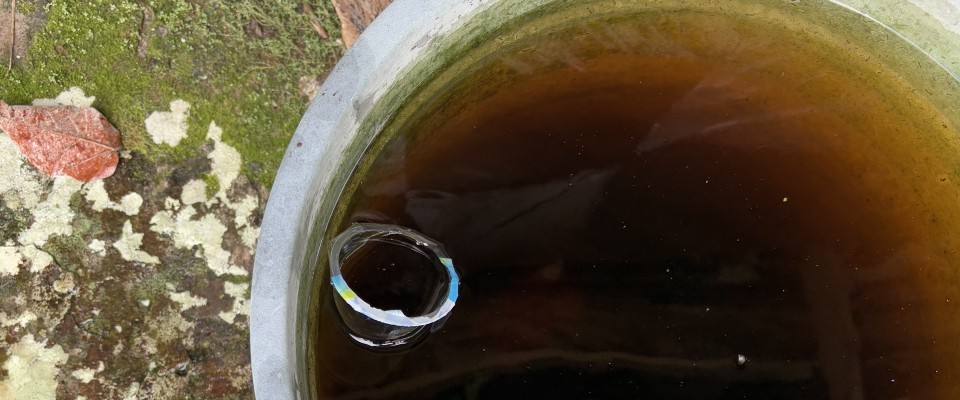
Once stored in containers, rainwater can also get contaminated with bacteria, fungi, or even mosquito larvae that spread dengue fever. For children, this can be risky if the water is used for drinking or bathing without any treatment.
Diseases Linked to Stored Rainwater
Even if it looks clear, stored rainwater can lead to:
Dengue Fever (DBD): Mosquito larvae grow in open water tanks and increase the risk of dengue.
Diarrhea: Germs in rainwater can cause stomach problems if swallowed.
Skin Infections: Bacteria or fungi in the water may cause rashes, irritation, or sores.
Breathing Issues: Damp conditions from stored rainwater may grow mold and spores, which can trigger allergies or respiratory infections
Is It Safe for Kids to Bathe in Rainwater?
According to the CDC (Centers for Disease Control), rainwater is not always pure. It can contain animal waste, bacteria, parasites, viruses, and chemicals.
Studies show that rainwater samples often carry thousands of bacteria, many from animal droppings, which can cause infections, including in the lungs.
Tips for Safe Use of Rainwater at Home
Rainwater can still be used safely if it’s treated first. The CDC recommends these steps:
Filtration: After collecting, filter the water through sand, charcoal, or gravel to remove dirt and large particles.
Disinfection: Add safe chemicals like chlorine or chloramine to kill bacteria, viruses, and parasites.
Boiling/Distillation: Boil the water until it steams, then cool it down to get distilled water that is safer to drink.
Also, keep the storage tank clean, always cover it tightly, and clean filters regularly. This prevents germs, mold, and mosquito growth.
Rainwater Can Be Useful, If…
Rainwater can be a valuable resource when managed properly. But without treatment, it can pose serious health risks, especially for children.
By cleaning storage regularly, covering containers, and using proper filtration, families can safely benefit from rainwater.
We need to remember that children’s health comes first. Don’t underestimate the hidden risks in water that looks “clean.”

 EN
EN  ID
ID

.jpg)