ID
ID  EN
EN
Dampak Gempa Bumi Pada Psikologis Anak

By Gugah Nurani Indonesia
17 December 2024
2.310 Views
Dampak Gempa Bumi Pada Psikologis Anak
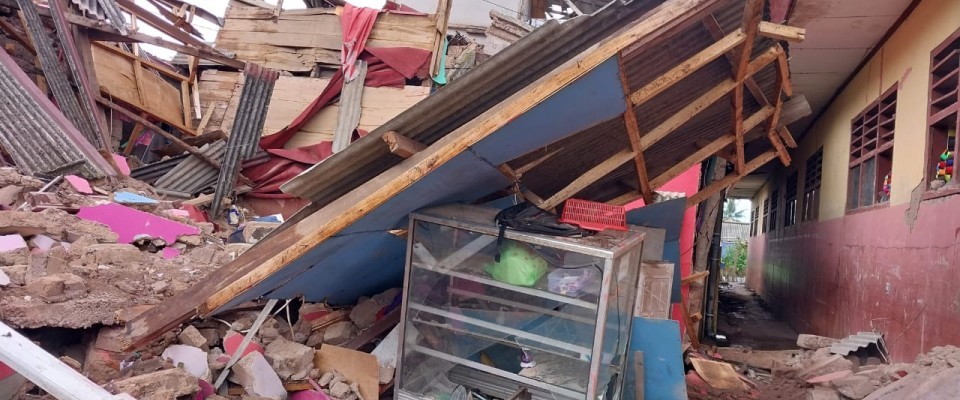
Indonesia menjadi salah satu negara dengan kategori yang rawan terhadap gempa bumi. Hal tersebut dikarenakan Indonesia terletak di jalur Cincin Api Pasifik, sebuah zona berbentuk tapal kuda yang mengelilingi Samudra Pasifik. Wilayah ini merupakan zona pertemuan lempeng-lempeng tektonik yang sangat aktif, tempat terjadinya sebagian besar gempa bumi dan letusan gunung berapi di dunia.Selain itu, Indonesia memiliki banyak gunung berapi aktif, yang juga merupakan manifestasi dari aktivitas tektonik. Pergerakan magma di dalam gunung berapi dan letusan gunung berapi juga dapat memicu terjadinya gempa bumi vulkanik, meskipun umumnya gempa jenis ini lebih kecil dibandingkan gempa tektonik.
Badan Meteorologi, Klimatologi, dan Geofisika (BMKG) mencatat data gempa bumi di Indonesia. BMKG umumnya mencatat ribuan gempa setiap tahunnya, dengan berbagai magnitudo.
Dampak Psikologis yang Timbul pada Anak-anak
Gempa bumi, tidak hanya menimbulkan kerusakan fisik, tetapi juga meninggalkan luka psikologis, terutama pada anak-anak. Dampak psikologis ini bisa bervariasi, mulai dari kecemasan ringan hingga PTSD (Post-Traumatic Stress Disorder).Berikut merupakan dampak psikologis yang timbul pada anak-anak pasca gempa bumi;
1. Munculnya Kecemasan dan Ketakutan
Anak-anak mungkin merasa cemas, takut, dan panik setelah mengalami gempa bumi. Mereka bisa takut berada di dalam ruangan, takut sendirian, atau terus menerus khawatir akan terjadinya gempa susulan.2. Gangguan Tidur
Anak-anak yang mengalami trauma gempa bumi seringkali mengalami kesulitan tidur, mimpi buruk, atau insomnia. Selain itu juga adanya perubahan perilaku, beberapa anak mungkin menjadi lebih mudah marah, rewel, atau menarik diri dari interaksi sosial, bahkan membuat mereka merasa tidak semangat untuk pergi ke sekolah.3. PTSD
Dampak yang mungkin cukup parah adalah munculnya PTSD, pengalaman menyaksikan atau mengalami langsung gempa bumi yang parah dapat menyebabkan trauma psikologis.Beberapa anak mungkin mengembangkan PTSD, yang ditandai dengan gejala seperti mimpi buruk, kilas balik (flashback), sulit berkonsentrasi, mudah terkejut, dan menghindari hal-hal yang mengingatkan mereka pada kejadian tersebut.
Pemulihan Psikologis Anak Pasca Gempa
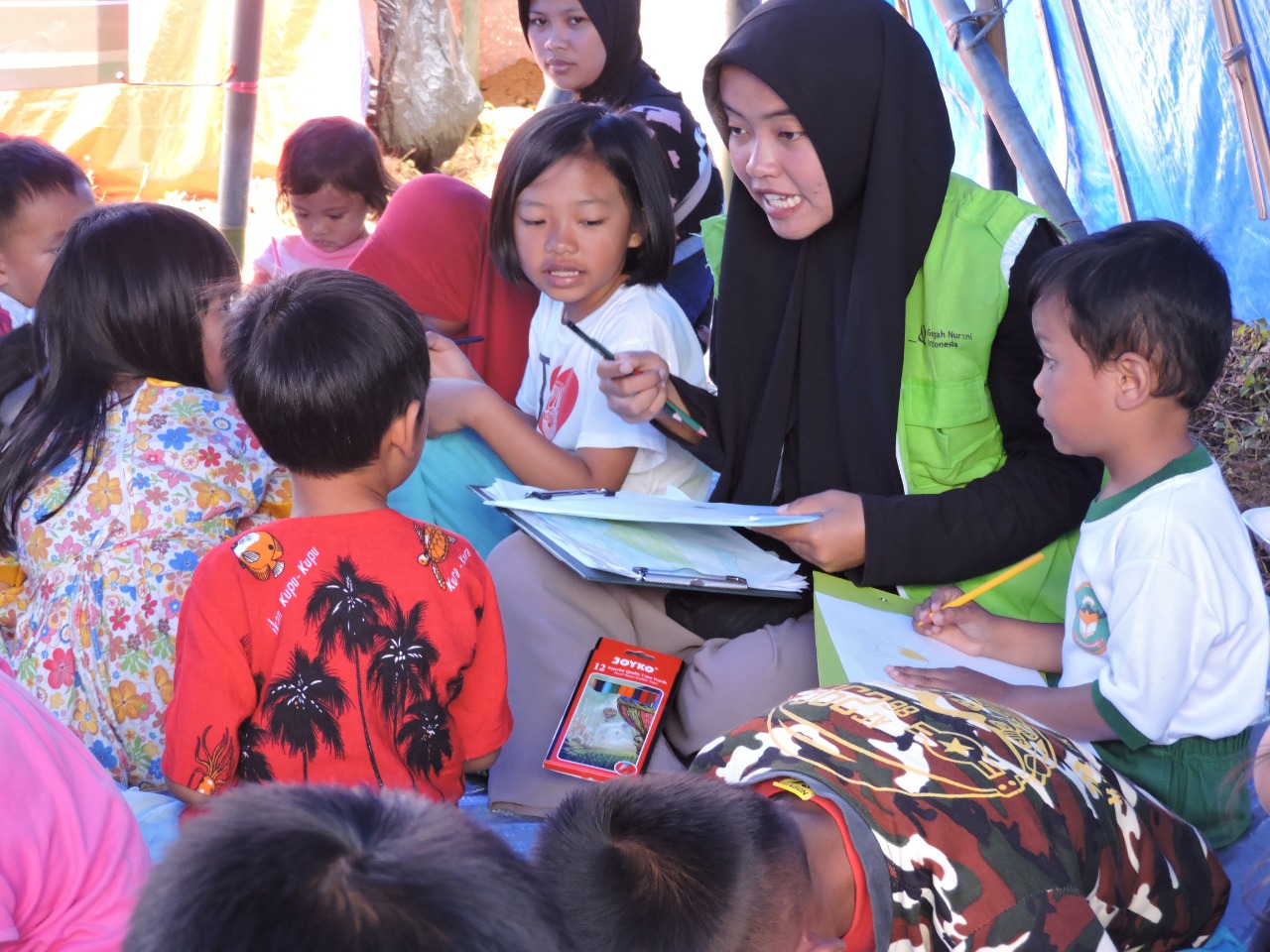
Pemulihan psikologis anak pasca gempa merupakan proses penting untuk membantu mereka mengatasi trauma dan kembali ke kondisi normal. Anak-anak bereaksi terhadap trauma dengan cara yang berbeda-beda, dan dukungan yang tepat sangat dibutuhkan untuk memastikan kesehatan mental mereka.
Berikut beberapa aspek penting dalam pemulihan psikologis anak pasca gempa:
1. Ciptakan Rasa Aman dan Stabil
Cobalah mengembalikan rutinitas harian secepat mungkin, seperti jadwal makan, tidur, dan aktivitas lainnya. Pastikan anak merasa aman di lingkungan rumah atau tempat pengungsian.2. Dengarkan dan Ajak Berkomunikasi
Ajak anak berbicara tentang apa yang mereka rasakan dan pikirkan, dengarkan dengan sabar dan empati, tanpa menghakimi atau meremehkan perasaan mereka, dan validasi perasaan mereka. Memberikan dukungan emosional seperti memberikan pelukan, dan kata kata yang menenangkan.3. Terapi Bermain dan Seni
Agendakan untuk melakukan terapi bermain dan terapi seni, hal ini sangat efektif untuk anak-anak karena memungkinkan mereka mengekspresikan emosi dan pengalaman mereka melalui permainan.Fasilitasi permainan yang memungkinkan anak meluapkan emosinya, seperti menggambar, mewarnai, bermain boneka, atau bermain peran. Seni, seperti menggambar, melukis, atau membuat kerajinan tangan, juga dapat membantu anak-anak mengekspresikan perasaan yang sulit diungkapkan dengan kata-kata.
Berdiri di negara rawan bencana, Gugah Nurani Indonesia (GNI), selalu siap untuk hadir untuk memastikan hak anak tetep terpenuhi pasca bencana melalui kegiatan Emergency Response. GNI memberikan dukungan moril dengan memberi Psychosocial Support dan pembagian Educational Kit pada anak-anak terdampak bencana.
Baca dan ikuti cerita kegiatan tanggap bencana GNI saat turun pasca bencana di artikel-artikel berikut:
Sumber:
https://www.antaranews.com/berita/4191750/ini-jumlah-rata-rata-banyaknya-gempa-di-indonesia-dalam-setahun
https://www.halodoc.com/artikel/5-cara-tepat-sembuhkan-trauma-anak-korban-bencana
https://ejournal2.undip.ac.id/index.php/hnhs/article/download/5328/2861
Ditulis dan Diedit oleh: Tim FD