
 ID
ID  EN
EN
Gerakan Ekoliterasi: Transformasi SDN 1 Rempek, Dari Gerbang Sekolah Menuju Perubahan Desa

By Gugah Nurani Indonesia
26 Desember 2025
403 Views
Apa yang muncul dalam pikiran kita setiap mendengar kata ‘ekoliterasi’? Mungkin ada yang memikirkan tentang lingkungan atau sekadar pengelolaan sampah. Namun, sejatinya ekoliterasi adalah sebuah kesadaran mendalam. Jika dibandingkan dengan konsep ekonomi sirkular, ekoliterasi mungkin tidak langsung memikat rasa ingin tahu. Padahal, fondasi dari ekonomi sirkular berawal dari individu yang ekoliterat.
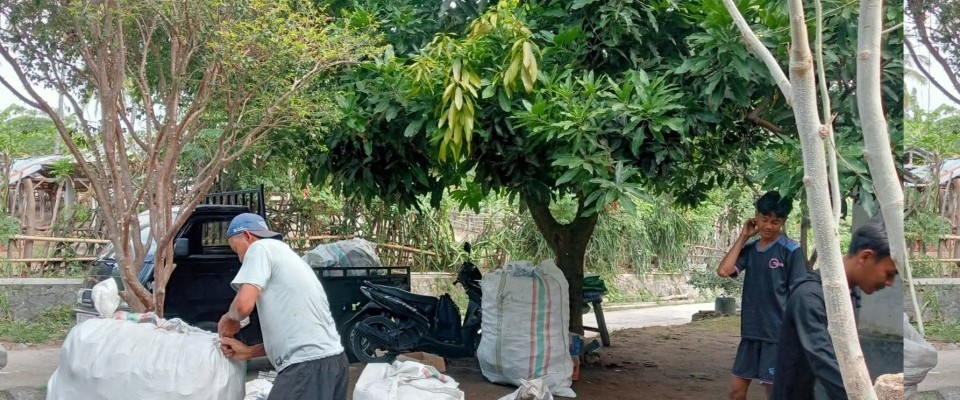
Solusi sekolah pun terbatas pada membakar plastik—tanpa menyadari bahaya kesehatan dan hilangnya nilai ekonomi di baliknya. Di sisi lain, sampah organik dibiarkan membusuk hingga aromanya mengganggu kenyamanan belajar. Saat itu, Apotek Hidup hanyalah angan-angan.
Sampai suatu ketika, GNI hadir memperkenalkan ekoliterasi sebagai perspektif baru yang menyegarkan. Melalui pendekatan sederhana seperti dongeng, warga sekolah disadarkan bahwa tanggung jawab lingkungan melampaui sekadar membuang sampah. Ada dimensi karakter yang harus diasah. Semangat ini menyatukan kepala sekolah, guru, siswa, hingga wali siswa menjadi kekuatan kolektif yang selaras.
“Kami tidak hanya melihat angka rupiah, tetapi melihat wujud nyata dari tanggung jawab kami terhadap alam,” ucap Pak Mahen, penanggung jawab Bank Sampah SDN 1 Rempek.
Kini, masalah aroma sampah organik telah tuntas. Dengan bantuan dekomposter dari GNI, sekolah mampu mengolah limbah menjadi pupuk yang menyuburkan Apotek Hidup di pekarangan belakang.
Siswa kini melihat langsung bagaimana limbah berubah menjadi manfaat kesehatan. Dampak ekonominya pun nyata: hasil Bank Sampah dialokasikan untuk kebutuhan pendidikan guna meringankan beban biaya siswa.
Namun, keajaiban sejati terjadi ketika nilai ini melompati pagar sekolah. Terinspirasi dari edukasi di sekolah, salah satu wali siswa SDN 1 Rempek tergerak melakukan aksi swadaya di tempat tinggalnya, Dusun Sambik Pondokan.
Dengan semangat gotong royong, dusun yang dihuni sekitar 300 jiwa ini mulai memilah sampah secara mandiri. Langkah ini menjadikan Sambik Pondokan sebagai dusun pertama dari 11 dusun di Desa Rempek yang berhasil mengelola sampah secara ekonomis.
Hasilnya luar biasa. Keuntungan dari sampah tidak masuk ke kantong pribadi, melainkan digunakan untuk memakmurkan Mushalla di dusun tersebut. Sesuatu yang dulunya dianggap kotor, kini berubah menjadi amal jariyah dan penopang fasilitas ibadah.
SDN 1 Rempek dan Dusun Sambik Pondokan kini menjadi mercusuar bagi wilayah sekitarnya. Mereka membuktikan bahwa edukasi yang tepat dapat menciptakan perubahan sistemik. Menjaga bumi ternyata adalah bagian dari menjaga iman dan martabat komunitas. Melalui langkah kecil di Desa Rempek, kita belajar bahwa menjadi ekoliterat adalah tentang membangun kemandirian ekonomi dan spiritualitas dari apa yang selama ini kita buang.
Baca Juga:
Tingkat Literasi Indonesia Rendah Apa Penyebabnya?
Ditulis oleh: Luwyse Hasianni Sianipar (MELA Officer)
Diedit oleh Tim F&CD
Menumbuhkan Kembali Ekoliterasi di SDN 1 Rempek
Lalu, bagaimana hal esensial ini membawa perubahan nyata? Barangkali pertanyaan ini tidak pernah muncul dalam benak para guru dan siswa di SDN 1 Rempek. Selama bertahun-tahun, sampah plastik sisa jajanan menjadi pemandangan harian yang dianggap "normal". Sampah berserakan karena rendahnya kesadaran untuk membuang pada tempatnya.Solusi sekolah pun terbatas pada membakar plastik—tanpa menyadari bahaya kesehatan dan hilangnya nilai ekonomi di baliknya. Di sisi lain, sampah organik dibiarkan membusuk hingga aromanya mengganggu kenyamanan belajar. Saat itu, Apotek Hidup hanyalah angan-angan.
Sampai suatu ketika, GNI hadir memperkenalkan ekoliterasi sebagai perspektif baru yang menyegarkan. Melalui pendekatan sederhana seperti dongeng, warga sekolah disadarkan bahwa tanggung jawab lingkungan melampaui sekadar membuang sampah. Ada dimensi karakter yang harus diasah. Semangat ini menyatukan kepala sekolah, guru, siswa, hingga wali siswa menjadi kekuatan kolektif yang selaras.
Perubahan dan Dampak Baik dari Penanaman Ekoliterasi
Perubahan mulai tampak dari kebijakan sekolah. SDN 1 Rempek kini menyediakan piring dan gelas kaca, sendok stainless, hingga penggunaan daun sebagai pembungkus makanan alami di kantin untuk memutus rantai plastik. Kebiasaan membakar sampah pun ditinggalkan sejak berdirinya Bank Sampah sekolah yang melibatkan guru dan wali siswa secara aktif.“Kami tidak hanya melihat angka rupiah, tetapi melihat wujud nyata dari tanggung jawab kami terhadap alam,” ucap Pak Mahen, penanggung jawab Bank Sampah SDN 1 Rempek.
Kini, masalah aroma sampah organik telah tuntas. Dengan bantuan dekomposter dari GNI, sekolah mampu mengolah limbah menjadi pupuk yang menyuburkan Apotek Hidup di pekarangan belakang.
Siswa kini melihat langsung bagaimana limbah berubah menjadi manfaat kesehatan. Dampak ekonominya pun nyata: hasil Bank Sampah dialokasikan untuk kebutuhan pendidikan guna meringankan beban biaya siswa.
Namun, keajaiban sejati terjadi ketika nilai ini melompati pagar sekolah. Terinspirasi dari edukasi di sekolah, salah satu wali siswa SDN 1 Rempek tergerak melakukan aksi swadaya di tempat tinggalnya, Dusun Sambik Pondokan.
Dengan semangat gotong royong, dusun yang dihuni sekitar 300 jiwa ini mulai memilah sampah secara mandiri. Langkah ini menjadikan Sambik Pondokan sebagai dusun pertama dari 11 dusun di Desa Rempek yang berhasil mengelola sampah secara ekonomis.
Hasilnya luar biasa. Keuntungan dari sampah tidak masuk ke kantong pribadi, melainkan digunakan untuk memakmurkan Mushalla di dusun tersebut. Sesuatu yang dulunya dianggap kotor, kini berubah menjadi amal jariyah dan penopang fasilitas ibadah.
SDN 1 Rempek dan Dusun Sambik Pondokan kini menjadi mercusuar bagi wilayah sekitarnya. Mereka membuktikan bahwa edukasi yang tepat dapat menciptakan perubahan sistemik. Menjaga bumi ternyata adalah bagian dari menjaga iman dan martabat komunitas. Melalui langkah kecil di Desa Rempek, kita belajar bahwa menjadi ekoliterat adalah tentang membangun kemandirian ekonomi dan spiritualitas dari apa yang selama ini kita buang.
Baca Juga:
Tingkat Literasi Indonesia Rendah Apa Penyebabnya?
Kunjungan Bermakna Bakti BUMN di Mandalika Child Learning Center Binaan ITDC dan GNI
Ditulis oleh: Luwyse Hasianni Sianipar (MELA Officer)
Diedit oleh Tim F&CD
Terbaru
11 Maret 2026
26 Februari 2026
12 Januari 2026
